Stories

Chinese New Year Travel Is a Stress Test—Here’s What It Reveals
Every Chinese New Year, travel reaches a rare extreme. Airports overflow, trains sell out, and roads slow as millions move at the same time—driven by reunion, tradition, and fixed dates.
What makes this period stressful isn’t just the crowds. It’s how quickly options disappear. Prices rise, flexibility shrinks, and small planning gaps turn into real friction. During Chinese New Year, travel becomes less about convenience and more about foresight.
This article isn’t a destination guide. Instead, it looks at what Chinese New Year travel reveals about how we plan—and why peak seasons expose weaknesses in timing, coordination, and balance.
In this piece, you’ll learn:
By the end, you’ll see Chinese New Year travel not as a seasonal problem but as a lesson in planning that applies well beyond the holiday.
Chinese New Year doesn’t just create more travel—it compresses time. Fixed dates, family commitments, and public holidays force decisions earlier and leave little room for adjustment.
During this period, the usual travel frictions become amplified:
What feels like “bad luck” is often the result of constrained planning windows. When everyone is operating on the same calendar, even minor inefficiencies—late approvals, unclear itineraries, last-minute bookings—become costly.
This is why Chinese New Year acts as a natural stress test. It exposes how prepared we are when flexibility disappears and whether our planning systems support clarity or create friction under pressure. Tools that provide visibility, centralized approvals, and smoother coordination can make all the difference—helping teams navigate peak periods with less stress.
Peak travel doesn’t change behavior—it exposes it. And the companies that emerge calm and prepared are often the ones that think ahead.
 When travel is left too late, the impact goes beyond higher prices. It affects time, energy, and overall experience.
During Chinese New Year, last-minute planning often leads to:
For businesses, these effects multiply. A delayed approval or unclear itinerary doesn’t just cost more—it creates friction across teams, finance, and operations.
What appears to be a single booking decision often carries:
Peak seasons simply make these costs more visible. The real issue is rarely the holiday itself, but the lack of foresight and coordination before it.
Chinese New Year is built on the idea of balance—between work and rest, movement and stillness, planning and spontaneity.
Travel during this period reflects the same principle.
Rushing decisions to secure the cheapest option often leads to:
What seems efficient on paper may not feel efficient in reality.
Better travel decisions usually come from balance:
In this way, Chinese New Year reminds us that good planning isn’t about speed. It’s about clarity, timing, and thoughtful trade-offs.
When balance is built into the planning process, travel becomes calmer, more predictable, and easier for everyone involved.
Good planning doesn’t mean overthinking every detail months in advance. It usually means having the right visibility early enough to make calm decisions.
During peak periods like Chinese New Year, better planning often looks like:
When these pieces are clear, decisions become easier. There’s less rushing, fewer surprises, and more confidence in what gets booked.
This is also where modern travel tools start to matter. Instead of juggling emails, spreadsheets, and booking sites, teams benefit from having everything in one place—options, approvals, and costs.
Platforms like Accomy are designed around this idea: not just booking travel, but making the planning process calmer, clearer, and more predictable from the start.
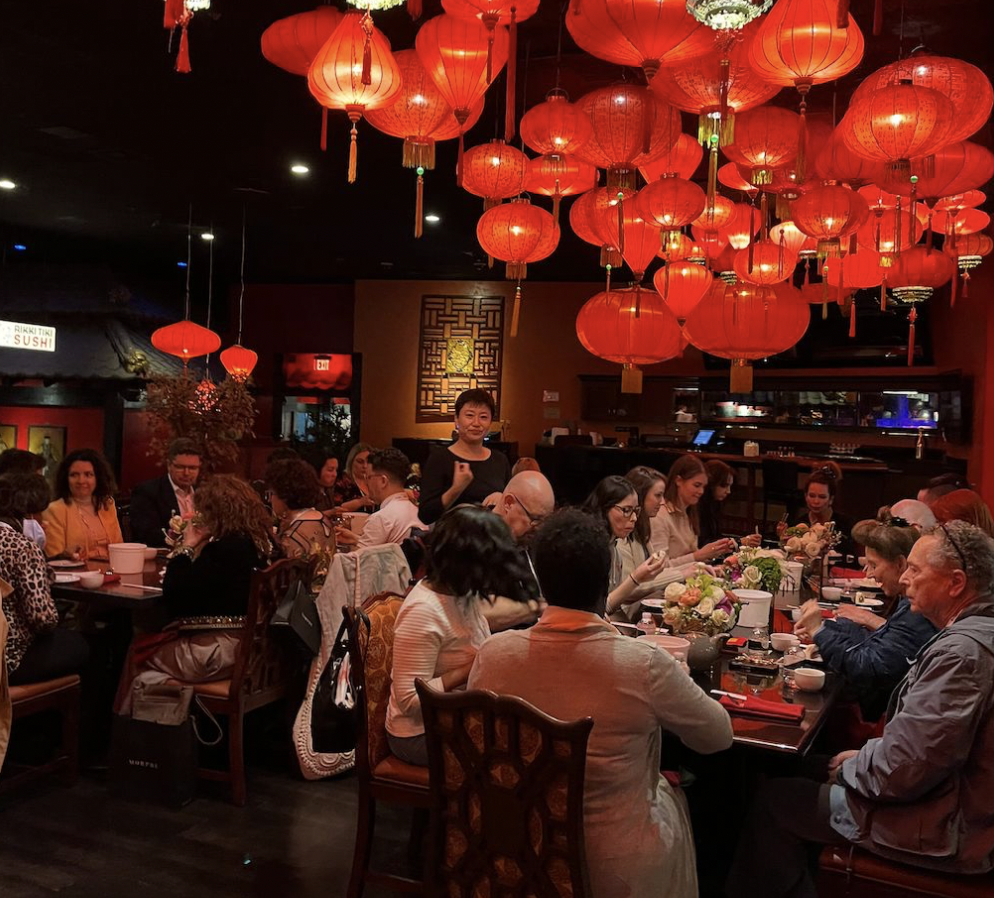 We understand that behind every booking is a real person: someone juggling meetings, family, or just the need to rest after a long trip. Chinese New Year makes this reality impossible to ignore.
Focusing only on price or speed often overlooks the human side of travel—the gentle need for an elder to sit quietly, a detour to a beloved childhood spot, or the simple joy of sharing a smile with a stranger along the way.
Thoughtful planning means prioritizing comfort, clear approvals, and smoother journeys. When people feel cared for, the stress of travel melts away, leaving room to connect, laugh, and truly enjoy the moments between destinations.
Travel done with heart turns a hectic holiday into something quietly beautiful—because in the end, we are all just humans, moving through this world side by side, carrying memories, hopes, and small acts of care with us.
Every year, Chinese New Year quietly teaches the same lesson: the trips that feel calm are rarely lucky—they are planned with foresight, patience, and small thoughtful decisions.
Peak travel doesn’t create stress; it reveals it. The chaos only appears when visibility is missing, approvals lag, or schedules collide.
The quiet lesson? When we plan intentionally, travel—even during the busiest season—can feel smoother, lighter, and more human.
From all of us at Accomy, we wish you a joyful and balanced Lunar New Year. May your journeys be safe, your plans calm, and your reunions full of warmth. 新年快樂!
1. When is Chinese New Year 2026 and how long is the holiday?
Chinese New Year 2026 begins on Tuesday, Feb. 17 and marks the start of the Year of the Fire Horse, last seen in 1966. With celebrations lasting about 7–15 days depending on regional practices.
2. What are the best ways to avoid crowds during Chinese New Year travel?
Plan early and travel outside peak dates if possible. Consider alternative airports or off-peak times, short-haul destinations, and flexible itineraries. Even small adjustments can reduce stress and make your journey more enjoyable.
3. How much does travel typically cost during Chinese New Year?
Prices for flights, hotels, and transport can surge 20–50% higher than regular periods. Early planning and visibility into options can help businesses and travelers manage costs while still securing convenient schedules.
4. What destinations are ideal for a short getaway during Chinese New Year?
Short-haul destinations with cultural experiences, scenic spots, or quiet retreats are popular. Cities or resorts slightly off the usual tourist path often provide a more relaxed and memorable experience.
Our Suggestion:
5. How can businesses plan smoother team travel during peak seasons?
Start early, consolidate bookings, and set clear approvals. Prioritize comfort, consider time zones, and provide clarity on travel policies to reduce last-minute stress for employees. Tools that centralize planning and itineraries can make the process seamless.
6. Are there tools that make CNY travel less stressful?
Yes. Modern platforms can centralize bookings, approvals, and budget visibility. For business travelers, solutions like Accomy help teams plan thoughtfully, avoid last-minute chaos, and maintain comfort and efficiency during peak periods.
7. Is it better to book flights and hotels early for Chinese New Year?
Yes, booking early is always recommended. It provides more options, better schedules, and smoother approvals for business teams. However, during peak Chinese New Year travel, general prices will still be higher than usual. Early planning mainly helps reduce stress, secure preferred itineraries, and avoid last-minute chaos, even if costs remain elevated.
8. Can Accomy help find better travel options during Chinese New Year?
Yes. Accomy offers access to one of the largest travel inventories, including GDS, NDC, and direct hotel and flight connections. This makes it easier to compare options, balance cost and comfort, and secure the best itineraries—even during the busy CNY period.