Insights
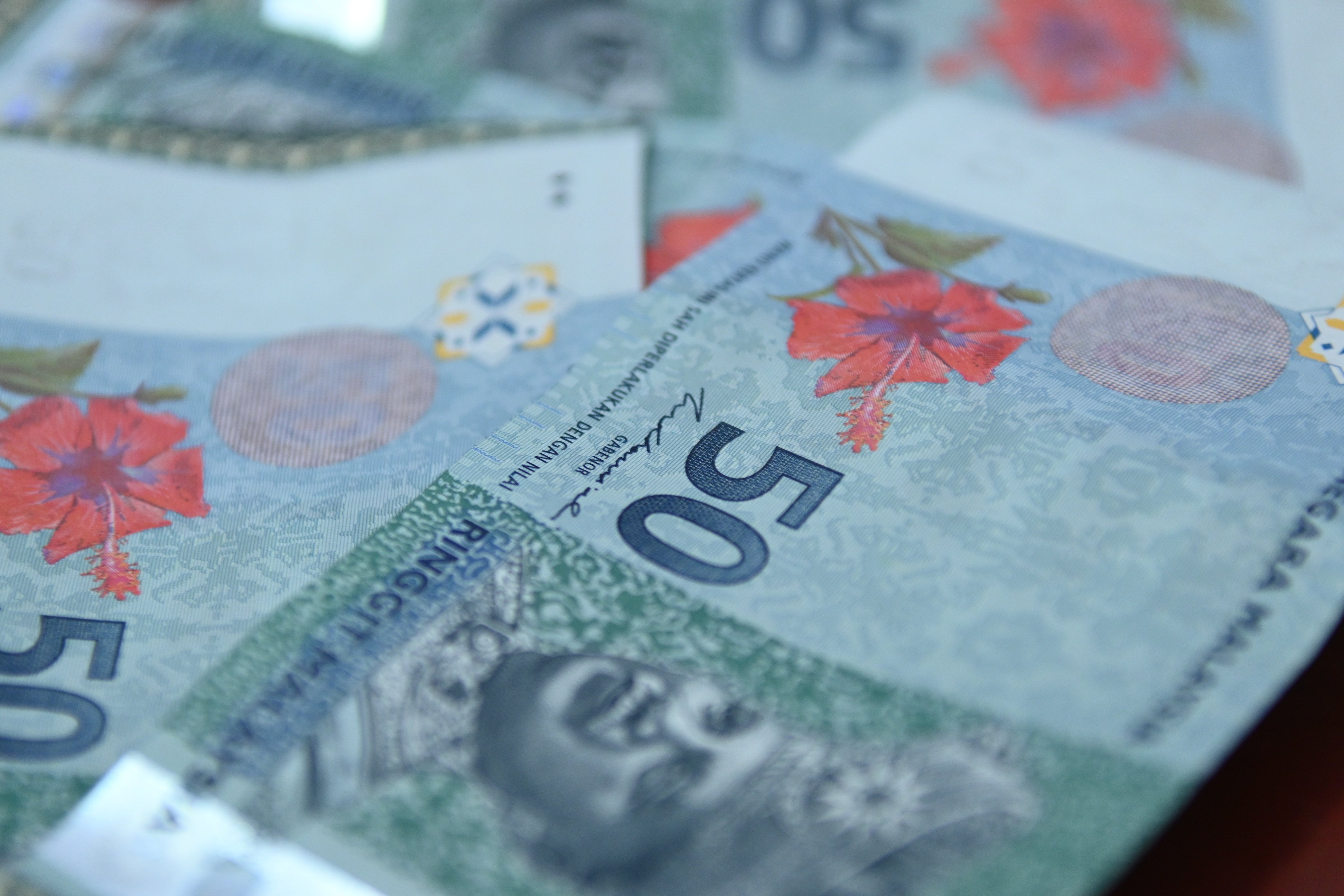

Ever felt like your ringgit could stretch a little further when travelling? Well, now it actually can. Imagine landing in Tokyo or Bali and suddenly realising your budget goes further than you expected — flights feel lighter on the wallet, hotels look like a bargain, and even that extra bowl of street noodles doesn’t sting as much. That’s the magic of a stronger Malaysian ringgit.
In this guide, we’re going to break down exactly what that means for your next trip. We’ll show you:
Think of this as your friendly travel cheat sheet — whether you’re planning a quick weekend escape or a longer multi-country adventure. By the end of this read, you’ll know exactly how to get more bang for your ringgit and make smarter travel decisions without the stress.
Ever feel like your ringgit suddenly has superpowers? That’s exactly what happens when the MYR gets stronger — flights feel cheaper, hotels look like steals, and even your street food budget stretches further.
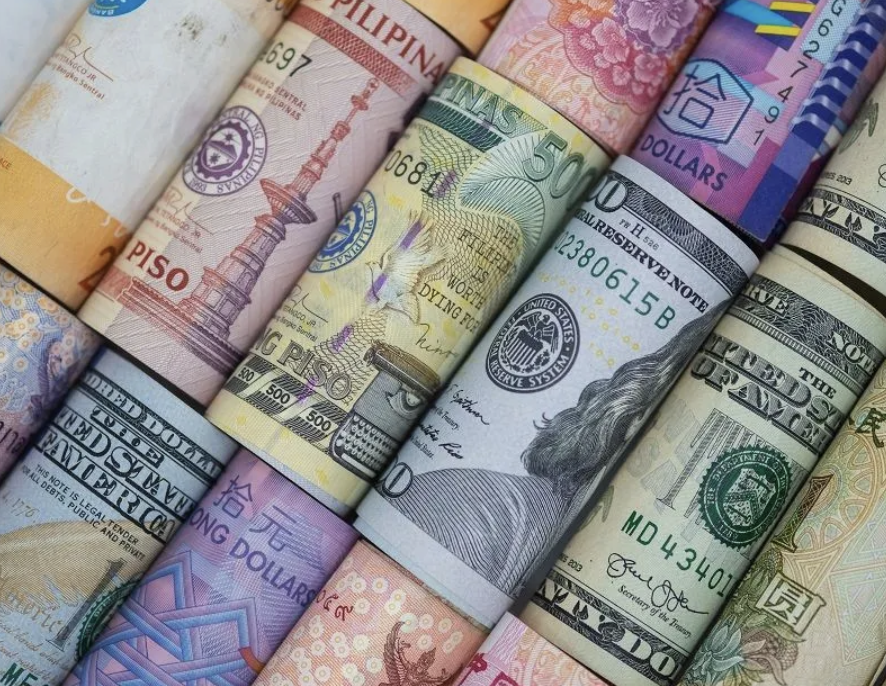
Tour packages can sometimes offer more value than DIY trips, especially when your ringgit gives you an advantage on conversion rates. But not all packages are created equal.
Example: A guided day tour in Bali that includes Ubud temples, rice terraces, and lunch may cost around IDR 500,000 (~RM140) per person. With a stronger ringgit, that same tour feels more affordable than last year — and you might even afford an extra activity, like a traditional Balinese dance show, without busting your budget.
Tip: Look for packages that combine accommodation, transport, or activities. When priced in the local currency, your MYR stretches further than the sticker price suggests.
Even small purchases add up — and this is where a strong ringgit really shines. Everyday expenses abroad suddenly feel lighter, letting you enjoy more experiences without stretching your budget.
Examples:
A strong ringgit is great — but you can make it even better with smart platforms like Accomy. By comparing flights, hotels, and packages in real-time, you’ll know exactly when you’re getting the best value.
Practical Use:
Tip: Tools like Accomy aren’t just for convenience — they amplify your buying power so a strong ringgit translates to actual savings.

Planning a trip can be overwhelming with multiple websites and apps. Accomy brings everything together — flights, hotels, and tours — in one convenient platform. This means you can see all your options in one place, compare prices instantly, and make smarter choices that stretch your ringgit further.
A stronger MYR is only useful if you know where to spend it. Accomy provides real-time rate comparisons, so you always know you’re getting the best deal on flights and hotels. By tracking live prices, you can lock in savings immediately and avoid missing out when currency advantages are at their peak.
Nothing eats into your savings like unexpected fees. Accomy shows full pricing upfront, including taxes and surcharges, so you know exactly what you’re paying. With this level of transparency, your stronger ringgit truly translates into extra value for your trip.
Use Accomy to:
With Accomy, travellers in Malaysia can turn a strong ringgit into real, tangible travel savings — giving you more freedom to explore, indulge, and enjoy your trip without stretching your budget.
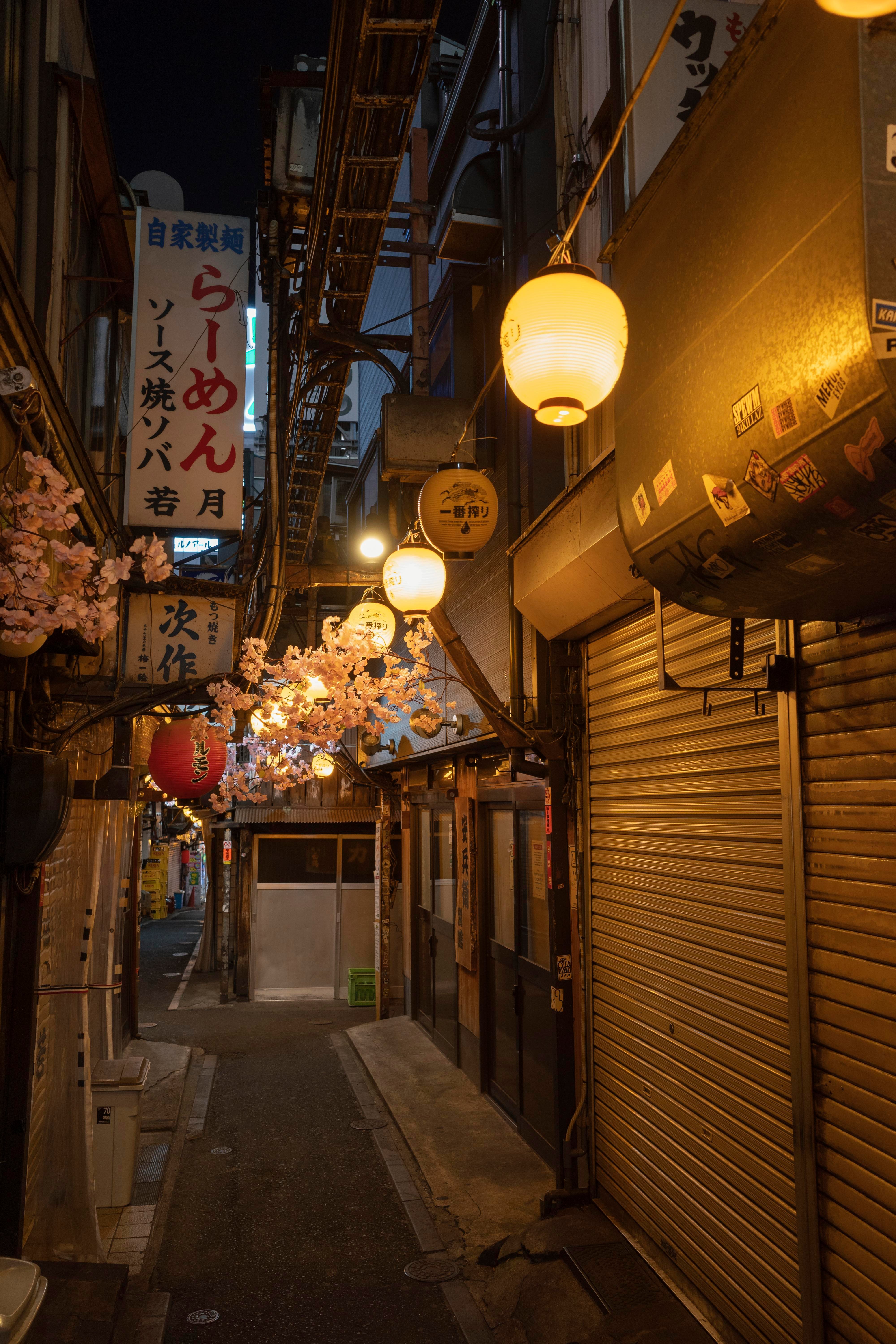
Japan is where a stronger ringgit becomes instantly noticeable.
A Famichiki from FamilyMart (around ¥250) now costs roughly RM6.40.
Five years ago, you’d be paying closer to RM9.50 for the same snack — that’s a 33% difference for something you’ll probably buy more than once.
Even a bowl of Ichiran Ramen (about ¥1,200) now lands at around RM30.77, compared to RM45.60 five years ago.
That’s real savings on experiences people actually travel for.
Even compared to just one year ago, prices are still noticeably lower:
It may not sound huge on paper, but over a week in Tokyo or Osaka, those small wins add up fast — especially if food is part of the experience (and in Japan, it always is).

The US is traditionally one of the most painful destinations for Malaysian wallets — which is exactly why ringgit appreciation matters here.
That iconic $1 New York pizza slice would’ve cost you about RM4.45 just a year ago.
Today, it’s closer to RM3.93 — roughly 12% cheaper.
Now multiply that across:
Suddenly, the US feels a little less intimidating.
And if your pizza budget stretches beyond $1 slices, Joe’s Pizza (Broadway) remains a solid upgrade without blowing the wallet.
Tip: Prioritize experiences you’ve been curious to try rather than everyday expenses you can skip. That way, your strengthened ringgit is working on memories, not just meals.
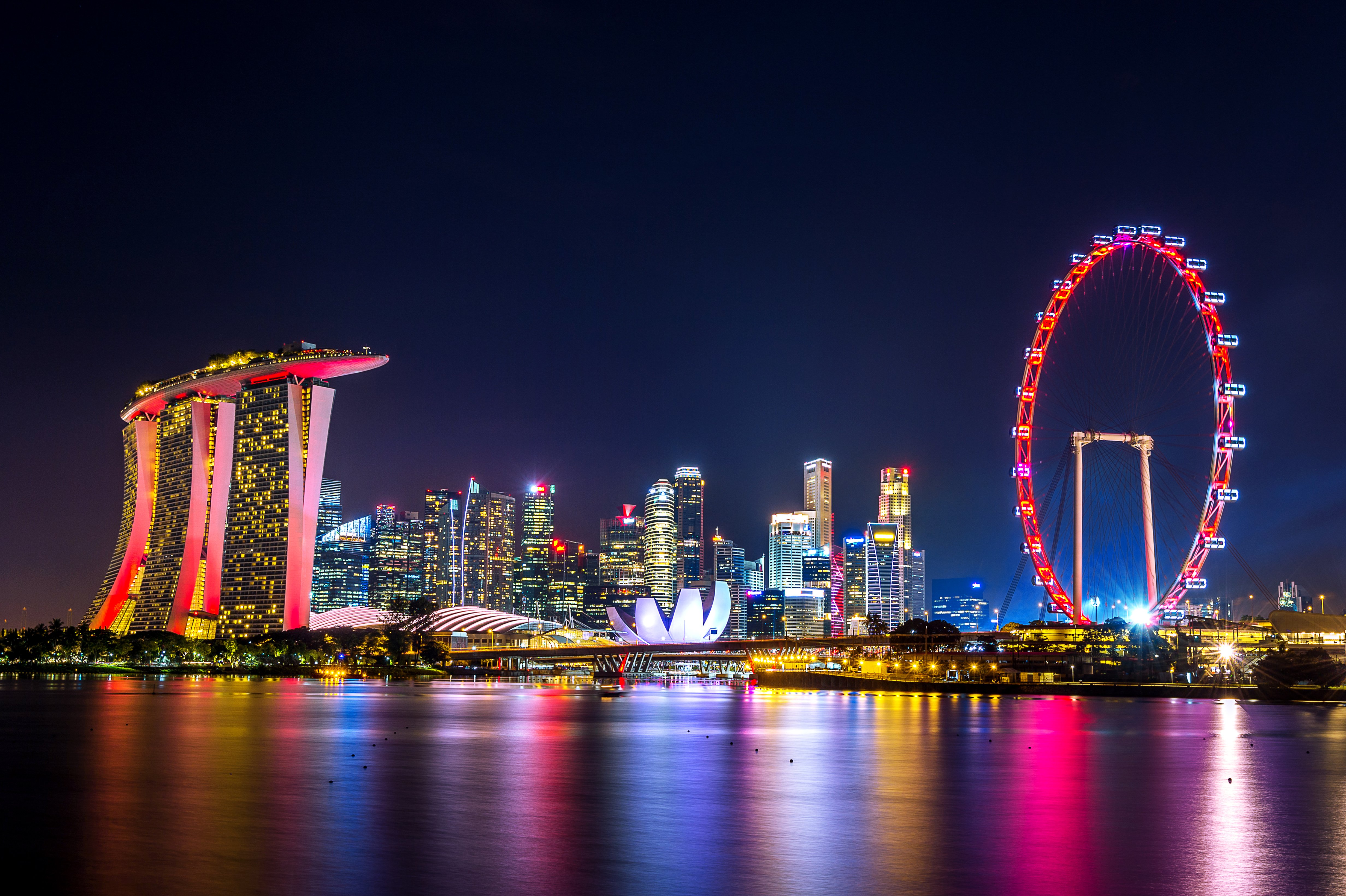
Singapore might be close, but exchange rates still matter — especially for hotels.
A 5-star stay at Parkroyal that costs around RM1,700 today would’ve set you back closer to RM1,950 just one year ago, purely due to currency differences.
That’s RM250 saved on accommodation alone — enough for:
Insider tip: When booked through platforms like Accomy, rates can go even lower thanks to broader hotel inventory and negotiated pricing — meaning currency gains aren’t your only advantage.
A stronger ringgit isn’t just a financial headline — it’s a real window of opportunity for travellers. Your money stretches further overseas, hotels feel more affordable, and experiences you might have skipped before suddenly come within reach.
To make the most of it, focus on:
Don’t wait for the window to close — plan smarter, book with clarity, and let your ringgit work harder for you.
4. Does a stronger ringgit actually make travel cheaper, or just feel cheaper?
It genuinely makes many parts of travel cheaper, but not all. Expenses priced in foreign currency such as hotels, food, shopping, and local transport benefit the most. Fixed or demand-driven costs like peak-season flights, concerts, or major events may still remain expensive.
5. Which travel expenses benefit the most when the ringgit strengthens?
The biggest gains usually come from accommodation (especially mid-range to premium hotels), dining and everyday spending, shopping and tax-free purchases, and experiences priced locally such as tours, attractions, and transport. These are also the areas where small percentage changes add up quickly.
6. Is now actually a good time to book, or should I wait for prices to drop further?
If you already plan to travel, waiting can be risky. Currency gains can disappear faster than flight prices drop. Booking while the ringgit is strong helps lock in value, especially for hotels and longer stays where exchange-rate impact compounds.
7. Does a strong ringgit mean I should upgrade my travel plans?
Potentially, yes, but selectively. Many travellers use currency strength to stay an extra night, choose a better-located hotel, or upgrade one or two experiences such as a ryokan stay or guided tour. The smartest upgrades are those that would not feel justifiable when exchange rates are weaker.
8. Should I exchange more cash now because the ringgit is strong?
Not necessarily more, but earlier. Many travellers exchange part of their budget earlier to lock in rates, then rely on cards or overseas withdrawals for flexibility. The key is avoiding last-minute or airport exchanges with poor rates.
9. Why do some trips still feel expensive even when the ringgit is strong?
Currency strength does not cancel peak-season demand, limited hotel inventory, poor booking decisions, or hidden fees. Value is created by how you book, not just when you travel.
10. How can I avoid losing currency gains through bad bookings?
Common value leaks include booking flights and hotels separately without comparison, paying hidden platform or FX fees, missing better rates due to poor timing, and booking late during high-demand periods. Having visibility across options helps prevent these mistakes.
11. How does Accomy help travellers turn a strong ringgit into real savings?
Accomy helps by reducing friction and guesswork. Flights and hotels are available in one place, rates are shown in real time, hidden costs are reduced, and comparisons are easier before committing. It does not create currency strength but helps travellers avoid wasting it.